Japanese · Course
Japanese Foundations
Your first words and sentences, from day one.
1,715 flashcards that take you from your first Japanese word to everyday conversation, in 60 short lessons. Every flashcard has a picture, audio and an example sentence built only from words you’ve already met.
- 1,715 flashcards
- 1,560 words
- 155 grammar patterns
- 60 lessons
You study it in the Misu app on iPhone and Android. Translations are in English.
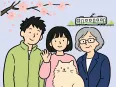 Japanese Foundations1,715 flashcards · 60 lessons
1 of 4 · Real flashcards from the deck
60 lessons · 1,560 words
Sixty short lessons.
Each lesson is a small set of words you can use together. Every example sentence only uses words from earlier flashcards, so you can read it from the first day.
-
Lesson 01
First steps 水 · お茶 · これ · です 25 words -
Lesson 02
People and places あれ · この · その · あの 29 words -
Lesson 03
Doing and being に · 行く · 来る · 帰る 25 words -
Lesson 04
Numbers and amounts 一 · 二 · 三 · 四 25 words -
Lesson 05
When things happen 今 · 今日 · 明日 · 昨日 25 words -
Lesson 06
Describing everyday life 大きい · 小さい · 新しい · 古い 28 words -
Lesson 07
Family and other people 家族 · 母 · 父 · お母さん 27 words -
Lesson 08
Connecting what you say から · まで · へ · や 25 words -
Lesson 09
Common everyday actions 思う · 考える · 知る · 覚える 27 words -
Lesson 10
Things and locations こと · 物 · ところ · 中 26 words -
Lesson 11
Daily routines 起きる · 寝る · 眠る · 休む 25 words -
Lesson 12
Food and preferences 食べ物 · 飲み物 · 料理 · 肉 28 words -
Lesson 13
More ways to describe 元気 · 静か · きれい · 汚い 24 words -
Lesson 14
Getting around 電車 · 乗る · 混む · バス 29 words -
Lesson 15
Choosing and comparing だけ · しか · もっと · 一番 26 words -
Lesson 16
Moving and helping 降りる · 渡る · 角 · 曲がる 28 words -
Lesson 17
Body and wellbeing 体 · 具合 · 頭 · 顔 26 words -
Lesson 18
Words and media 言葉 · 意味 · 問題 · 答え 27 words -
Lesson 19
Days and plans 最近 · 今朝 · 今夜 · 毎朝 26 words -
Lesson 20
Clothes and daily objects 着る · 履く · かぶる · 脱ぐ 29 words -
Lesson 21
Learning and explaining 答える · 説明 · 練習 · 復習 26 words -
Lesson 22
Weather and the outdoors 天気 · 天気予報 · 雨 · 雪 28 words -
Lesson 23
Everyday ideas 人間 · 社会 · 生活 · 文化 27 words -
Lesson 24
Amounts and certainty 最初 · 初めて · 最後 · 以上 26 words -
Lesson 25
Changes and results 増える · 減る · 変わる · 変える 25 words -
Lesson 26
Connecting and responding ため · ので · のに · なら 25 words -
Lesson 27
Everyday details 気 · 感じ · 話 · 力 25 words -
Lesson 28
Feelings and qualities 嬉しい · 悲しい · 寂しい · 怖い 28 words -
Lesson 29
Giving and arranging あげる · くれる · もらう · 渡す 25 words -
Lesson 30
Plans and perspectives 予定 · 計画 · 目的 · 内容 25 words -
Lesson 31
Work and information 技術 · システム · 機能 · 設定 25 words -
Lesson 32
People around you 祖母 · 祖父 · おばあさん · おじいさん 24 words -
Lesson 33
Reactions and effort 怒る · 驚く · びっくりする · 喜ぶ 29 words -
Lesson 34
At the table 酒 · ビール · 乾杯 · ワイン 27 words -
Lesson 35
Around the home 掃除 · 片付ける · 浴びる · 拭く 26 words -
Lesson 36
Spaces and nature 床 · 壁 · 天井 · 屋根 25 words -
Lesson 37
Public life and decisions 政府 · 政治 · 経済 · 国際 25 words -
Lesson 38
Plans and timing よう · つもり · はず · わけ 25 words -
Lesson 39
Trying and solving やる · やめる · 思い出す · 気づく 25 words -
Lesson 40
Outside and active 変 · 音 · 光 · 火 25 words -
Lesson 41
Describing qualities 正しい · おかしい · 厳しい · 柔らかい 27 words -
Lesson 42
Change and feelings 現在 · 過去 · 未来 · 将来 24 words -
Lesson 43
Movement and actions ボール · 上がる · 上げる · 下がる 28 words -
Lesson 44
Arts and stories 絵 · 描く · 美術 · 芸術 27 words -
Lesson 45
Work and money 職業 · 職場 · 職員 · 社長 26 words -
Lesson 46
Connecting thoughts ただ · つまり · なお · さて 25 words -
Lesson 47
Places and directions こちら · そちら · お会計 · あちら 28 words -
Lesson 48
Everyday topics 一般 · 基本 · 姿 · 期間 26 words -
Lesson 49
Doing and recording かかる · 似る · 合う · 合わせる 23 words -
Lesson 50
Common conversation 結構 · 行動 · 線 · イメージ 25 words -
Lesson 51
Amounts and measures 量 · 程度 · パーセント · 割合 27 words -
Lesson 52
People and situations 気分 · 気温 · 温度 · 景色 26 words -
Lesson 53
Polite exchanges いただく · くださる · いらっしゃる · おっしゃる 25 words -
Lesson 54
Shops and services 食事 · 朝食 · 昼食 · 夕食 24 words -
Lesson 55
Travel and transport 荷物 · 預ける · 旅 · 観光 27 words -
Lesson 56
Actions and attitudes 越える · 向かう · 戻す · 残す 26 words -
Lesson 57
Time and information 秒 · 時期 · 当時 · 一方 25 words -
Lesson 58
Media and everyday life カメラ · ページ · タイトル · ドラマ 25 words -
Lesson 59
Meals and health りんご · バナナ · みかん · トマト 26 words -
Lesson 60
Nuance and connections 直接 · 個人 · 各 · 途中 24 words
The story
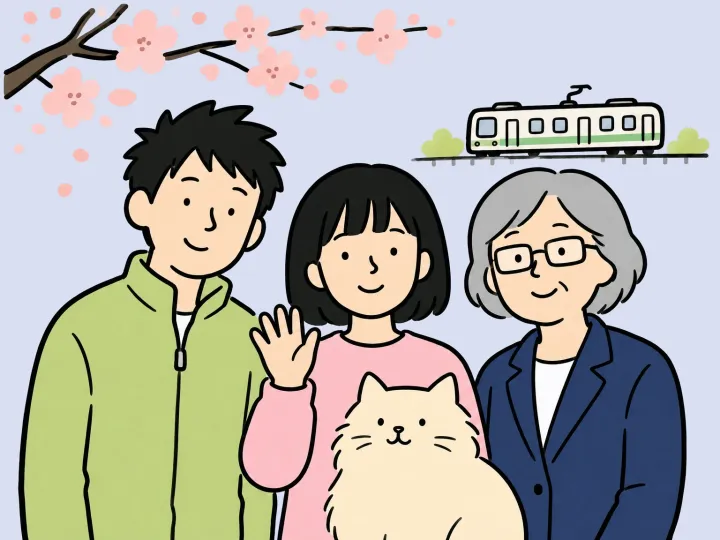
Anna in Tokyo.
You follow Anna, a Londoner spending a year in Tokyo, with her friend Kenta, her teacher Tanaka-sensei and her cat Misu, so the sentences add up to one small world.
For beginners who can read hiragana and katakana. Every kanji comes with its kana, so you can read each flashcard from the start.
Also in
Foundations in other languages.
 Chinese
 French
 German
 Hindi
 Italian
 Korean
 Portuguese
 Russian
 Spanish
More Japanese decks.
- In your Misu
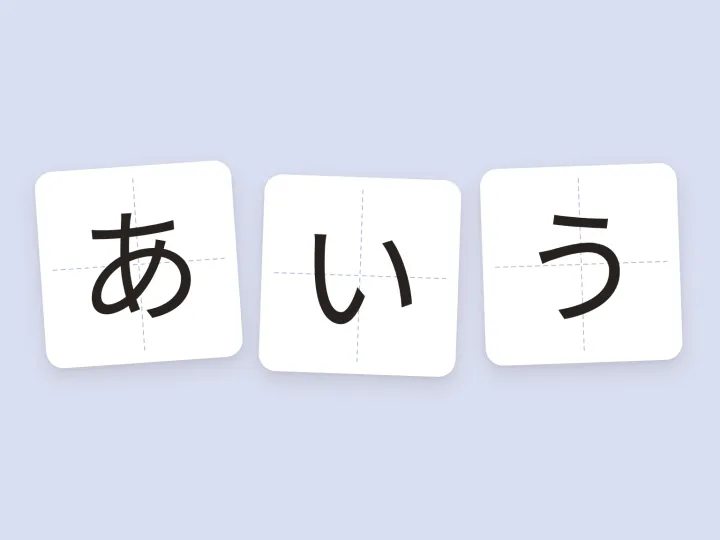
 Japanese · Learn to read Hiragana 56 flashcards Learn to read hiragana before Japanese Foundations.
- In your Misu
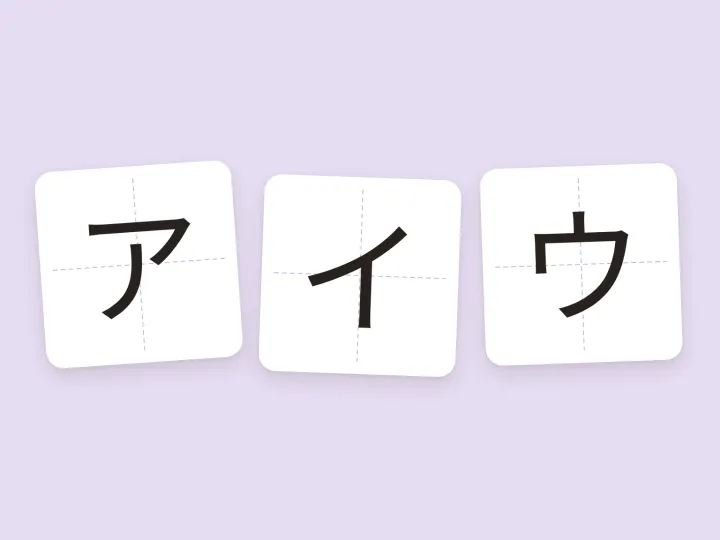 Japanese · Learn to read Katakana 52 flashcards Learn to read katakana before Japanese Foundations.
- In your Misu
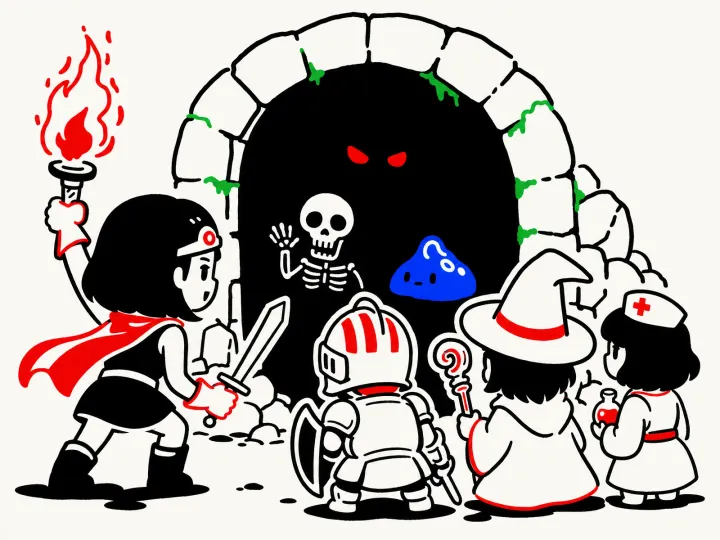 Japanese · Just for fun The Adventurer’s Deck 99 flashcards Heroes, spells, monsters and loot for your first adventure.
Japanese Foundations
How do I get it on my phone?
Add it here while you’re signed in to Misu. It downloads the next time you open Misu on your phone. New to Misu? Get started here with Japanese Foundations, then sign in on your phone the same way.
Can I download it for Anki?
No. Misu decks are made for the Misu app, where every flashcard keeps its audio, picture and review schedule.
Do I need to read hiragana and katakana first?
For beginners who can read hiragana and katakana. Every kanji comes with its kana, so you can read each flashcard from the start. The Hiragana and Katakana decks are there if you want to learn them first.
I already know some Japanese. Where do I start?
Take the Japanese level test first. Its 25 questions give you an idea of how many words you know.